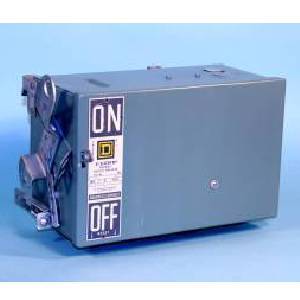
Square D Bus Plugs Cat. No. PQ4620
We ran across blogging information about safe clearances for bus plugs. There was interest in the correct code requirements for various size bus plugs, 2000 amp bus plugs to 400 amp bus plugs to 60 amp bus plugs. Sometimes code requirements are the only hammer the electrician may have to force others to be safe. We’ve dealt with used, obsolete, and new bus plugs for decades and we have one big rule for experienced electrical personal who work around this stuff for a living. “If it seems unsafe, it is unsafe.” As far as inexperienced or non electrical folks, stay away from electrical power bus plugs. They are not your friend.
Would it make sense to tell an experienced electrician, who feels that a 200 amp Square D bus plug is unsafe to fool with, that he actually would be safe just because it meets code. Nonsense. We would trust the extra caution of experience, over code, any day, especially when the code is defined as a minimum safety standard. Having said this, we would also caution against listening to the type of experience that says something is safe, even though it does not meet code, just because the experienced person has done it many time before and nothing ever happed. Experience or not, just don’t work on or around anybody’s bus plugs hot. Whether Square D, Cutler Hammer, GE General Electric, or Siemens bus plugs, do not work on bus plugs energized.
Sometimes the criticism of the location of electrical bus duct and bus plugs is heaped on the electrical contractor that installed it. Having worked in electrical contracting in a past life and worked in manufacturing plants for decades, we often find the electrical bus duct and bus plugs are ignored when other equipment is installed near them. Space is a premium, so newly installed pipe or duct or hangers can go only a foot or two from the bus duct or plug. And after 20 years, there isn’t enough room left for an electrician to safely work around bus duct or plugs, regardless of code or experience. So don’t!