MIDWEST was asked by a retired electrician why we bother disassembling a bus plug to recondition it. He worked for a contractor for years and they serviced bus plugs and bus duct a few times. But all they had to do was clean them off and operate them a couple
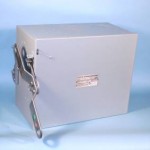
ITE RV366 Bus Plugs Available at www.swgr.com
times. They never found any problems. They didn’t bother removing them from the bus duct. He said he worked on GE General Electric bus plugs, Square D bus plugs and westinghouse bus plugs. He wanted to know what we would find that they didn’t. The obvious area of concern would be the disconnect fingers on the back of the bus plugs. These are not visible unless you remove the bus plug from the bus duct. It’s not unusual for disconnect fingers to be misaligned, bent or damaged by overheating due to improper fit on to the bus duct. In addition, we often find fuse holder supports or operating mechanism supports actually broken. A broken support for an operating mechanism is a disaster waiting to happen. It’s especially dangerous because it will fail right when you are operating the bus plug. And that’s a bad place to be if you are the one switching the bus plug. The concern is for the safety of the person doing the switching. It’s easy to repair or replace equipment. But it’s not so easy to repair or replace people or body parts.
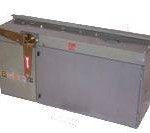
Square D PBQ4640 Bus Plugs Available at www.swgr.com
Whether it’s an ITE RV366 bus plug or RV364 or Square D PBQ4640 bus plug, any bus plug can have these defects. Many defects are more related to the installation and environment than to the particular manufacturer. The big deal is we know all the things that can go wrong with electrical bus plugs and most of these failures can not be found with a quick visual inspection of an installed bus plug by someone inexperienced, who has never tore one apart, or repaired one after it has broken or failed mechanically or electrically.
Categories: General Bus Plug Information Tags: bus duct, Bus Plug Defects, bus plug disconnect fingers, Bus Plug Safety, disconnect fingers, Electrical Bus Plugs, GE Bus Plugs, Installing Bus Plugs, ITE RV364. Square D PBQ4640, ITE RV366, Operating a Bus Plug, reconditioned bus plugs, square d bus plugs, Westinghouse Bus Plugs
Previously MIDWEST discussed the problem of making certain the disconnect fingers lineup properly when you replace a bus plug. We really didn’t answer the question of how to make sure replacement bus plugs are connected properly. Here are a couple suggestions. Put a very thin film of proper contact lubricant on the contact surface of the old bus plug disconnect fingers. Install the bus plug on to the bus duct. Note the position of the replaced bus plug and how it went into place. Then remove the bus plug and closely inspect the contact surface of the disconnect fingers. The film of contact lubricant should reveal that the disconnect fingers properly slid, ie wiped, on to the bus bar in the bus duct. Remove any excess lubricant. In addition, one can inspect the bus bars of the bus duct and see visible evidence that the disconnect fingers of the replacement bus plug actually wiped the surfaces of the bus bars correctly. After having verified the bus plug had been properly installed, install it again in the same manner as the first time. All this should not be necessary, but sometimes old or obsolete bus plugs are difficult to tell if they connected properly. It can be especially difficult when installing some large bus plugs. The physical effort to get them in place impedes the ability to sense if they went into place properly. Follow the manufacturer’s instructions on the possible use of contact lubricant. Regardless, too much lubricant is a mistake because it collects dust. Also, if new, reconditioned or repaired bus plugs are installed in a previously empty space on the bus duct, you should be able to see the contact wipe marks on the bus bar the first time the bus plug is installed or see new wipe marks on the disconnect fingers of the bus plug itself. All this is a simple way to give greater confidence the bus plug is installed properly. For safety reasons, MIDWEST strongly recommends this only be done on de-energized bus duct.