Plugging Away
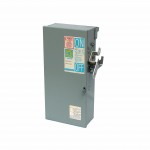
Bus Plugs For Sale
Definition: As the name suggests a Bus Plug is a type of switch which plugs into a bus as part of a power distribution system.
The purpose of a Bus Plug is to provide a localized power feed to electrical devices.
Bus plugs always contain their own source of circuit protection. Circuit protection can be either in the form of a fuse or a circuit breaker.
Bus plug voltage ratings (USA) range from 120/240, 208/120, 240, 277/480, 480, 600
Bus Plug Ampere ratings (USA) range from 15 to 1600 amps. The most common bus plug ampere ratings fall within the range of 30-200 amps with 30 and 60 amps being the most common size bus plugs in use overall.
Why are bus plugs such a hot item in the used electrical equipment market? The answer can be found in a combination of factors: Bus plugs often operate in environments which are not the most conducive to the long life of electrical devices. The atmosphere in manufacturing facilities can contain quantities and qualities of air contaminants and heat temperatures in great abundance, making for the short life of bus plugs. Oil and various air contaminants accumulates on insulating members of the bus plug causing a decrease in insulation resistance. Low insulation resistance increases the risk of flash over between either phase to phase or phase to ground. High ambient temperatures can lead to “cooking a fuse” where fuse thermal thresholds can be compromised degrading fuse performance.
Bus plug internal contacts contain silver tabs brazed to copper contact arms. Arcing from normal open and closing operations under load causes the silver contact surface to pit leading to increased degrees of contact deterioration.
Bus plug external contact fingers, which make contact to the bus itself, are often the source of bus plug failure. Finger contact surfaces are vulnerable to environmental contaminants. Heat as a result of a resistance thresholds being breached can lead to failure. It is not uncommon for these fingers to completely melt due to high contact temperatures.
Devices called Tap Boxes are part of the bus way power distribution system. Tap boxes are enclosure devices which connect power cable feeds to the Bus Way system. Tap Boxes come in two types: “Plug In Tap Box” and “End Tap Box” types. The former is what it sounds like. It connects to the bus way through a plug in type of connection. End Tap Box’s provide power to the bus way by connecting at either end of a particular line of bus way. Both types of devices are items in demand in the used electrical power distribution market.
One of the things we do here at Midwest is recondition and sell bus plugs. The reconditioning process involves completely disassembling the bus plug. The various component parts are then inspected, cleaned, polished and painted. After reassembly, the reconditioned bus plug is put through a series of tests per Midwest’s Quality Control Program, (QCP). The bus plug contacts are tested for contact resistance. Contact resistance is measured in micro or milli ohms. Because higher ampere rated bus plugs have larger contact surface areas, lower contact resistance values can be expected on higher ampere rated bus plugs. The bus plug is then tested for insulation resistance measuring the integrity of insulating members. Test leads are connected between various conductor and frame locations. Test results for insulation resistance are measured in megohms.
Finally the bus plug is load tested. 80% of rated load current is put through the device as a final check before it goes out the door.
By Jason Honick
Sales representative, Midwest Testing, Switchgear Division