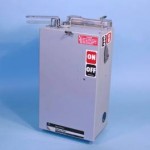
SB323R General Electric Bus Plugs For Sale by MIDWEST
On MIDWEST’s list of “Ten things we will not do with bus plugs” is “We will not sell a bus plug that we have tested only.” In other words, we are not going to take a Square D bus plug and just test it and say it is okay. We are not going to take a Cutler Hammer bus plug and sell it without reconditioning it. We are not going to sell a GE General Electric bus plug unless we have reconditioned it and tested it first. We are not going to sell an ITE bus plug after doing only a “smoke test,” as one really old time electrical contractor was fond of asking us. An old timer’s really scary minimum specification. When he turned it on, he just didn’t want to see any smoke. That was all he was concerned with. So he said. Actually we worked with him for decades and he always came back because he knew we did everything, including reconditioning and testing the bus plugs, anyway. We are not going to sell a Siemens bus plug as is, even for temporary use. We are not going to sell a Westinghouse bus plug after reconditioning and testing, if it still does not pass our final quality control inspection. All these statements are a repeat of the basic same “We Will Not Test Only” from the list of ten things we will not do with bus plugs. Sometimes it can be enlightening to say one thing six different ways, if it is making an important point. For quality and safety, pleonasm may be your friend.
Categories: General Bus Plug Information Tags: bus plugs, Cutler Hammer Bus Plug, GE Bus Plug, General Electric Bus Plugs, ITE Bus Plugs, Recondition Bus Plugs, Reconditioning Bus Plugs, Siemens Bus Plug, Square D Bus Plug, Testing Bus Plugs, Westinghouse Bus Plug
MIDWEST was asked how we can tell if a bus plug has been water damaged. What if a brand new bus plug is exposed to water, say rain. How can we tell after it has already dried off? If it’s new, how would MIDWEST even know it was exposed to rain or water? The answer goes to the heart of why MIDWEST fully reconditions bus plugs. If a bus plug has been exposed to water, we would know as soon as we disassemble it for reconditioning. The old or new bus plug hardware, nuts and bolts and washers, would have some rust. The exposed surfaces of bolt holes would have rust at the edges. This is more obvious than you might think. In addition, between the inside of the new bus plug enclosure and attached interior parts, we find dust that has the visual pattern of water exposure. Like spilling water on a surface that had just a little dust on it. After the water evaporates, you can still see the pattern of the water exposure on the surface. Usually all this is pretty obvious to the engineering technician doing the work, if they are actually reconditioning the replacement bus plugs. But, if a company is just giving it a shoe shine, meaning a little inside cleaning with a little outside painting, they may never detect the water damage. Even an insulation resistance test pole to pole and pole to ground may not reveal the damage. But it is there and it shortens the reliable life expectancy of the bus plug. Rust especially is insidious when it starts at support hardware. MIDWEST’s best suggestion is to buy fully reconditioned equipment if you are buying obsolete bus plugs, used bus plugs, or new surplus bus plugs. This is true whether buying Square D bus plugs, Siemens bus plugs, ITE bus plugs or any other manufacturer’s product.
Categories: General Bus Plug Information, Questions Asked By Our Customers Tags: Bus Plug Parts, Fully Reconditioned Bus Plugs, Insulation Resistance Test, ITE Bus Plugs, new bus plugs, New Surplus Bus Plugs, obsolete bus plugs, old bus plugs, Replacement Bus Plugs, Siemens Bus Plugs, square d bus plugs, used bus plugs, Water Damaged Bus Plugs
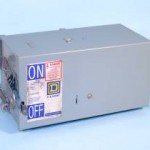
200 Amp PKA36200 Square D Bus Plug For Sale
About the craziest bus plug MIDWEST’s field services have seen was a circuit breaker style bus plug that had the circuit breaker removed and replaced with wire jumpers. Apparently this was done as an extreme emergency temporary fix. It was a 200 amp bus plug. To do this, the entire bus duct must have been turned off, otherwise the jumpers would have had to be installed hot, which would be crazy. The circuit breaker had been removed and insulated building wire used to connect the line side copper bars, of the 200 amp bus plug, to the feeder cables. The jumpers were connected to the feeder cables using taped up split bolts. The feeder went to the main fused switch for a very large molding machine, so there was fault protection at the machine. But the line side of the main switch could have had an extremely high arc flash hazard level, since the only protection was the main breaker for the entire 1200 amp bus duct. It could have been a Square D bus plug or a Cutler Hammer bus plug. Actually it wasn’t either, but the manufacturer of the bus plug doesn’t make any difference. MIDWEST’s Field Services runs into some of these nightmares now and then. The danger of temporary fixes is they often are forgotten and take on a permanent life within the power system. For temporary repairs, we suggest attaching yellow warning banner ribbon, or other safety measures, until the permanent repairs can be made. In this case though, the temporary fix was too dangerous and should not have been done.
Categories: General Bus Plug Information Tags: 200 Amp Bus Plug, Arc Flash Hazard, bus duct, bus plug, Circuit Breaker Style Bus Plug, Cutler Hammer Bus Plug, Fault Protection, Feeder Cables, Field Services, Main Breaker, Main Fused Switch, Square D Bus Plug, Yellow Warning Banner Ribbon