Why Disassemble Bus Plugs for Reconditioning
MIDWEST was asked by a retired electrician why we bother disassembling a bus plug to recondition it. He worked for a contractor for years and they serviced bus plugs and bus duct a few times. But all they had to do was clean them off and operate them a couple
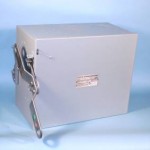
ITE RV366 Bus Plugs Available at www.swgr.com
times. They never found any problems. They didn’t bother removing them from the bus duct. He said he worked on GE General Electric bus plugs, Square D bus plugs and westinghouse bus plugs. He wanted to know what we would find that they didn’t. The obvious area of concern would be the disconnect fingers on the back of the bus plugs. These are not visible unless you remove the bus plug from the bus duct. It’s not unusual for disconnect fingers to be misaligned, bent or damaged by overheating due to improper fit on to the bus duct. In addition, we often find fuse holder supports or operating mechanism supports actually broken. A broken support for an operating mechanism is a disaster waiting to happen. It’s especially dangerous because it will fail right when you are operating the bus plug. And that’s a bad place to be if you are the one switching the bus plug. The concern is for the safety of the person doing the switching. It’s easy to repair or replace equipment. But it’s not so easy to repair or replace people or body parts.
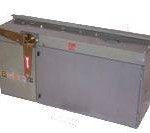
Square D PBQ4640 Bus Plugs Available at www.swgr.com
Whether it’s an ITE RV366 bus plug or RV364 or Square D PBQ4640 bus plug, any bus plug can have these defects. Many defects are more related to the installation and environment than to the particular manufacturer. The big deal is we know all the things that can go wrong with electrical bus plugs and most of these failures can not be found with a quick visual inspection of an installed bus plug by someone inexperienced, who has never tore one apart, or repaired one after it has broken or failed mechanically or electrically.