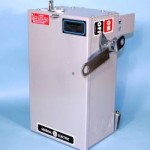
Buy FVK363R General Electric Bus Plugs
MIDWEST receives many requests from folks that want to sell us their used bus plugs. These requests come from all over the country. Usually we ask for a little biography on their old bus plugs. If we are interested, we may ask them to send us some digital pictures of what they have. To recondition bus plugs, there is a huge difference in the cost between bus plugs that look like new bus plugs and those that have been painted several times and are damaged. Refurbishing damaged bus plugs is a waste of time. Along with all this, there is a need to have a sense of humor. Just about all the folks that call MIDWEST are great people, but they sure don’t know our business. Here is a recent quick example. We received a call from someone wanting to sell us several pallets of like new bus plugs. They described them; Gave us some catalog numbers; And said they just want to get rid of them. We asked for some digital pictures and they were happy to accommodate. When we reviewed the pictures, all their used bus plugs looked just great. Perfect candidates for refurbished bus plugs. But the pallets were outside on a nice sunshiny day. Good light for great pictures. But it rains outside and bus plugs do not like rain. We called the owners and they said their like new bus plugs were located in an area that was always warm and seldom rained. Seldom doesn’t mean never. It means occasionally does. Occasionally means at least once and at least once means rust. And rust means disaster for bus plugs. MIDWEST is not interested in rusty old bus plugs, even if they look like new bus plugs.
Previously MIDWEST discussed the problem of making certain the disconnect fingers lineup properly when you replace a bus plug. We really didn’t answer the question of how to make sure replacement bus plugs are connected properly. Here are a couple suggestions. Put a very thin film of proper contact lubricant on the contact surface of the old bus plug disconnect fingers. Install the bus plug on to the bus duct. Note the position of the replaced bus plug and how it went into place. Then remove the bus plug and closely inspect the contact surface of the disconnect fingers. The film of contact lubricant should reveal that the disconnect fingers properly slid, ie wiped, on to the bus bar in the bus duct. Remove any excess lubricant. In addition, one can inspect the bus bars of the bus duct and see visible evidence that the disconnect fingers of the replacement bus plug actually wiped the surfaces of the bus bars correctly. After having verified the bus plug had been properly installed, install it again in the same manner as the first time. All this should not be necessary, but sometimes old or obsolete bus plugs are difficult to tell if they connected properly. It can be especially difficult when installing some large bus plugs. The physical effort to get them in place impedes the ability to sense if they went into place properly. Follow the manufacturer’s instructions on the possible use of contact lubricant. Regardless, too much lubricant is a mistake because it collects dust. Also, if new, reconditioned or repaired bus plugs are installed in a previously empty space on the bus duct, you should be able to see the contact wipe marks on the bus bar the first time the bus plug is installed or see new wipe marks on the disconnect fingers of the bus plug itself. All this is a simple way to give greater confidence the bus plug is installed properly. For safety reasons, MIDWEST strongly recommends this only be done on de-energized bus duct.
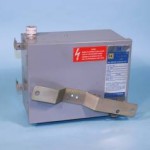
Buy Square D Bus Plug
Maintenance mechanics and maintenance electricians are very self reliant people. They have the ability to get things done, often with limited resources, and they have a lot of common sense in the maintenance world, the real world. When it comes to installing replacement electrical bus plugs, their common sense may tell them, if it fits, it’s connected right. This is not always true. The problem, when installing replacement or new bus plugs is that it is very hard to see the actual disconnect finger connections when sliding the bus plug into place on the bus duct. Installing an old bus plug from a platform lift, much less from ladders, can be a real challenge. One can’t always get the lift right under the bus duct. It’s hard and sometimes impossible to see well enough to make sure the replacement bus plug disconnect fingers line up properly with the bus duct bus bar. And some bus plugs are very heavy. They may take two people to install. It can be a challenge. Using Thermographic Scanning, Infrared Scanning, MIDWEST sometimes finds overheating at the disconnect fingers that connect the bus plug to the bus duct. When we check it out, we find that one or more of the fingers has slid under the bus bar inside the bus duct. The actual contact surface may be only 25% of what it should be and the contact pressure may be very little if the disconnect finger assembly breaks and the only real connection occurs because it is jammed between the bus bar and the bus plug phase assembly. The big worry is for a short circuit between the bus bar of the bus duct. So, for old or new replacement bus plugs, just because the bus plug enclosure fits on to the bus duct, does not mean the bus plug is properly connected to the bus duct. It can be a challenge, but care must be taken when installing bus plugs. One can not rely on alignment alone to assure the proper connection is made.
For arc flash safety reasons, MIDWEST recommends turning off the bus duct before replacing a bus plug or installing a new bus plug.