A foundry called MIDWEST for another replacement bus plug. They said this was the third one he bought from us in the last two years. He thought it was strange that he suddenly had so many failures and had to call us for replacement bus plugs. The man that called was a foundry maintenance mechanic. These men are the salt of the earth. They can fix just about anything with just about nothing. So we pay pretty good attention to their problems. In this case he complained that their bus plugs must be junk because they were suddenly having so many failures. He was sure something was wrong right from the manufacturer. They never had any problems and suddenly they were all failing. We checked our records and all the replacement bus plugs were for old equipment manufactured in the 1960s. They actually had very good luck with their bus plugs until the last couple years.
We had a little confirmation bias going. The maintenance mechanic thought there must be something wrong with the bus plugs. Why? Well, because the bus plugs were failing, so there had to be something wrong with them. Makes sense, kind of. The reality was that the equipment was getting very old, it was dirty, was seldom exercised, and therefore was mechanically less reliable. We explained that electrical equipment ages and as it gets older the frequency of failure will increase, sometimes rapidly, depending on the condition. We see a very low failure rate for bus plugs in a facility that isn’t very old and is clean. For similar facilities that are much older or much dirtier, the failure rate is higher, and increases as the facilities age. But all this is trumped by the condition of the facility and the load on the bus duct and bus plugs. In a foundry, all bets may be off. In a foundry, when equipment suddenly starts to fail, the sudden increase in failure rate is usually due to condition and not merely age. The failures are a warning that it is time for cleaning and maintenance.
MIDWEST’s Switchgear Shop was asked if they had a simple video of reconditioning a bus plug. The answer was, “Not yet, but give us a couple weeks.” They figured the customer asked, so they had the green light to make a video. This was truly a collaboration of Techies. Three weeks later they had two hours of video of everything to do with reconditioning an old used bus plug. They figured they had it all covered, disassembly, stripping, cleaning, replacing hardware, painting, reassembly, labeling, testing, and final QC checkout. Everyone was pleased until they were given the task of reducing their famous bus plug video from 2 hours to 5 minutes. Ouch! This seemed impossible to them. There was a lot of work, and therefore video, to reconditioning old used and sometimes obsolete bus plugs. The problem was solved by having just one person work on the editing.
In the end, everyone was pleased until Engineering viewed the video and went crazy because all the final testing and QC was edited out. The video is now back for re-editing. You can’t please everyone, especially fanatics.
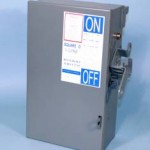
Buy PQ3206 Square D Bus Plug
MIDWEST was asked if the reliable life expectancy of bus plugs followed the classic bathtub curve. In other words, the rate of failure of bus plugs would be high when they are first put into service, ie new bus plugs. Then the failure rate would remain very low until the bus plug was very old, near the end of its reliable life. At that time the failure rate would rise again, similar to the rate when new. If one plotted the curve of the failure rate, it would have the shape of a bathtub. MIDWEST had two answers to the question. The first answer was “We don’t know, ask the manufacturer.” Our second answer was more important, “The failure rate is related to environment and not age.” We know the causes of old or new bus plug failures. New, old, and very old, obsolete bus plugs fail if they are overloaded, overheated. Bus plugs fail if they are in an area with a lot of vibration or physical movement. All bus plugs fail early in wet areas. The enclosure eventually just rusts away. New bus plugs fail if they are not properly installed. This is much more common than one might think. Old and new bus plugs fail if they get very dirty and vibrate and overheat. There isn’t much to a bus plug. So, if you install them properly and keep them dry, clean, no vibration, and under loaded, they will last for decades and you do not need to worry about the bathtub phenomenon. Sounds like a good idea for all electrical equipment.
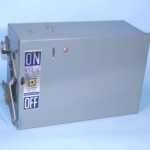
Buy Square D PQ3640 Bus Plugs
All too often our little friend the bus plug ends up making the ultimate sacrifice resulting in a catastrophic failure in the line of duty.
Not long ago we got a call from a customer asking for a bus plug replacement for one of theirs which failed in service. The circumstances surrounding the bus plug failure cannot be discerned.
The bus plug involved was a Square D PQ3640 (3 phase, fusible, 600 volts, 400 amps), the older version of the Square D PBQ style bus plug. One can only speculate as to what happened exactly, but the evidence told of a frightening scenario. A hole the size of an orange was burned completely through the bus plug cover. The inside guts burned beyond recognition, copper splattering along with carbon residue scattered throughout the inside of the bus plug.
Oddly enough the extent of the damage was confined to the bus plug itself and did not affect the bus duct proper. As mentioned many times before, bus plugs often operate under highly stressed conditions seriously compromising their life in service.